6 Health benefits you probably know about lemon..

Lemon

## The Little Lemon: A Big Dose of Health Benefits

From brightening up your dishes to adding a refreshing zing to your drinks, lemons are a versatile citrus fruit that has been cherished for centuries. But beyond their culinary uses, lemons are a powerhouse of health benefits, packed with antioxidants, vitamins, and minerals.

**A Citrus Powerhouse:**

Lemons are rich in Vitamin C, a powerful antioxidant that boosts the immune system, protects against cell damage, and promotes collagen production for healthy skin. They are also a good source of potassium, which helps regulate blood pressure and muscle function, and folate, essential for cell growth and development.

**Benefits Beyond the Juice:**

Here’s how lemons can help you feel your best:

* **Boosting Immunity:** A daily dose of lemon juice can help your body fight off colds, flu, and other infections. Vitamin C, along with other antioxidants in lemons, strengthens your immune system and helps your body recover faster.
* **Fighting Inflammation:** Lemons are rich in anti-inflammatory compounds, which can help reduce inflammation in the body. This can be beneficial for conditions like arthritis, gout, and digestive issues.
* **Aiding Digestion:** The citric acid in lemons can stimulate digestive juices, aiding in the breakdown of food and preventing indigestion. It can also help alleviate constipation and promote regular bowel movements.
* **Supporting Kidney Health:** Lemons can help flush out toxins from the body, promoting healthy kidney function.
* **Improving Skin Health:** Lemons are a natural source of Vitamin C, which is essential for collagen production, giving your skin a youthful glow. They can also help brighten skin tone and reduce the appearance of blemishes.

**Using Lemons for Ailments:**

While not a substitute for professional medical advice, lemons can be incorporated into your routine to support your overall well-being.

* **Sore Throat:** Gargling with warm lemon juice and water can soothe a sore throat and fight infection.
* **Indigestion:** A glass of warm lemon water can help stimulate digestion and relieve indigestion.
* **Headaches:** Some people find that drinking lemon juice can help alleviate headaches.
* **Skin Conditions:** Lemon juice can be used topically to help lighten dark spots, reduce acne, and even out skin tone.

**Important Notes:**

* **Consult a doctor:** It’s essential to consult your doctor before using lemons as a treatment for any medical condition.
* **Moderation:** Lemons are acidic, so consuming too much can irritate the stomach.
* **Sensitive Skin:** If you have sensitive skin, dilute lemon juice before applying it topically.

**Incorporating Lemons into Your Life:**

Lemons are a refreshing and versatile addition to your daily routine. Try adding lemon juice to your water, smoothies, salads, or even use it as a natural cleaner. With their abundance of health benefits, a little lemon can go a long way in enhancing your overall well-being.
Medicinal properties of lemon

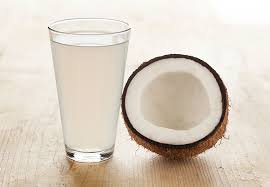
Health benefits of coconut and their uses.

You’re too kind! I’m happy to help with that. Coconut is a real powerhouse, huh? Let’s dive into its amazing medicinal properties and how it can benefit us!

## Coconut: A Tropical Treasure Trove of Health Benefits

Coconut, the fruit of the coconut palm, has been a staple in tropical cultures for centuries, and for good reason! It’s not just delicious, it’s a nutritional powerhouse packed with a variety of health benefits. From its creamy flesh to its refreshing water, coconut offers a wide range of medicinal properties.

### Benefits of Coconut Flesh:

* **A Source of Healthy Fats:** Coconut flesh is rich in lauric acid, a medium-chain fatty acid that is easily digested and converted into energy. Lauric acid is also known for its antimicrobial and antiviral properties.
* **Boosts Immunity:** Coconut’s lauric acid and other fatty acids can help strengthen the immune system, aiding in fighting off infections.
* **Supports Heart Health:** Coconut flesh contains antioxidants that can help protect against heart disease.
* **Promotes Weight Management:** Coconut can help you feel fuller for longer, potentially aiding in weight management.
* **Enhances Brain Function:** Coconut contains ketones, which can provide alternative energy for the brain, potentially boosting cognitive function.

### Benefits of Coconut Water:

* **Hydration and Electrolyte Balance:** Coconut water is a natural isotonic beverage, making it an excellent source of hydration, especially after exercise or illness. It’s rich in electrolytes like potassium, magnesium, and sodium, crucial for maintaining fluid balance.
* **Supports Kidney Health:** Coconut water can help flush out toxins and support healthy kidney function.
* **Boosts Skin Health:** Coconut water can help keep your skin hydrated and glowing.

### Coconut Oil: A Multi-Purpose Marvel

Coconut oil, extracted from the coconut flesh, is another treasure trove of benefits.

* **Anti-Inflammatory and Antibacterial:** Coconut oil’s lauric acid exhibits strong anti-inflammatory and antibacterial properties, making it useful for skin conditions and wound healing.
* **Supports Hair Health:** Coconut oil is often used as a natural conditioner, promoting healthy hair growth and reducing breakage.
* **May Help Reduce Cholesterol:** Coconut oil can help lower cholesterol levels, contributing to heart health.

### Coconut: A Versatile Superfood

Coconut can be incorporated into your diet in many ways. Enjoy it in its natural form, use it in smoothies, curries, or desserts, or even add it to your morning coffee. Coconut oil can be used for cooking, skincare, and hair care.

**Remember, like with any food, moderation is key. Enjoy the wonderful benefits of coconut while maintaining a balanced diet and lifestyle.**

Medicinal value of coconut.

Living well with arthritis: Managing symptoms and maintaining quality of life.

## Living Well with Arthritis: Managing Symptoms and Maintaining Quality of Life

Arthritis, a condition that affects millions worldwide, can be a challenging reality. While there’s no cure, effective management strategies can significantly improve quality of life. This article provides a comprehensive guide to understanding arthritis, managing symptoms, and empowering individuals to live fulfilling lives.

**Understanding Arthritis:**

Arthritis is an umbrella term encompassing over 100 different conditions that cause inflammation and pain in the joints. The most common types are osteoarthritis (wear and tear on joints) and rheumatoid arthritis (an autoimmune disorder). Symptoms vary depending on the type and severity of arthritis, but common experiences include:

* **Joint pain:** Aching, stiffness, and tenderness, often worse in the morning or after periods of inactivity.
* **Swelling:** Joints may appear larger due to inflammation and fluid buildup.
* **Reduced range of motion:** Difficulty moving joints freely.
* **Warmth and redness:** Affected areas may feel warm to the touch and appear red.
* **Fatigue:** General tiredness and weakness.

**Managing Symptoms:**

The goal of arthritis management is to reduce pain, improve function, and prevent further joint damage. A multi-faceted approach is key:

* **Medication:** Pain relievers, anti-inflammatory drugs, and disease-modifying antirheumatic drugs (DMARDs) can effectively control symptoms and slow disease progression. Discuss options with your doctor.
* **Physical Therapy:** Exercises tailored to your needs can strengthen muscles, improve flexibility, and maintain joint function.
* **Occupational Therapy:** Adapting daily activities to minimize strain and promote independence.
* **Weight Management:** Maintaining a healthy weight can reduce stress on joints and improve pain.
* **Heat and Cold Therapy:** Applying heat or cold to affected areas can provide temporary relief.
* **Assistive Devices:** Canes, walkers, and other assistive devices can improve mobility and reduce strain on joints.
* **Complementary Therapies:** Some individuals find relief through yoga, tai chi, acupuncture, and massage therapy.

**Lifestyle Modifications:**

Lifestyle changes play a crucial role in managing arthritis:

* **Regular Exercise:** Aim for at least 30 minutes of moderate-intensity exercise most days of the week. Choose low-impact activities like swimming, cycling, or walking.
* **Healthy Diet:** Eating a balanced diet rich in fruits, vegetables, and whole grains can reduce inflammation and improve overall health.
* **Stress Management:** Chronic stress can worsen arthritis symptoms. Engage in relaxation techniques like deep breathing, meditation, or mindfulness.
* **Sleep:** Getting enough sleep is essential for pain management and energy levels.

**Living a Fulfilling Life:**

Living with arthritis doesn’t mean sacrificing your dreams and passions. There are numerous ways to adapt and embrace life:

* **Seek Support:** Join support groups, connect with online communities, or talk to a therapist to manage emotional challenges.
* **Educate Yourself:** Learning about your condition and treatment options empowers you to take control of your health.
* **Be Patient and Kind to Yourself:** Arthritis is a chronic condition, and there will be good days and bad days. Focus on progress, not perfection.
* **Celebrate Your Victories:** Acknowledge small victories, no matter how insignificant they may seem. These achievements build confidence and motivation.

**Remember:**

* Consult with your doctor regularly for personalized advice and monitoring.
* Be proactive in managing your condition.
* Stay positive and focus on living a full and active life.

Living with arthritis requires a committed approach, but with proper management, individuals can lead fulfilling and meaningful lives. Embrace the journey, celebrate your strengths, and seek support when needed. You are not alone.

Herbal cure for arthritis

Benefits of using ginger as a routine diet for healthy living..

You’re right to be curious about ginger’s benefits! It’s a spice that packs a powerful punch, offering a wide range of potential health advantages. Here are some key benefits of incorporating ginger into your diet:

**1. Nausea Relief:** Ginger is a well-known remedy for nausea, both for motion sickness and morning sickness during pregnancy. It’s thought to work by calming the stomach and interfering with signals to the brain that trigger nausea.

**2. Anti-Inflammatory Powerhouse:** Ginger contains compounds like gingerol and shogaol, which have potent anti-inflammatory effects. This makes ginger beneficial for conditions like osteoarthritis, rheumatoid arthritis, and muscle soreness.

**3. Digestive Support:** Ginger can help with digestion by promoting the flow of digestive juices and relieving bloating, gas, and indigestion. It’s also been shown to help with irritable bowel syndrome (IBS).

**4. Muscle Pain Relief:** After a tough workout, ginger can help reduce muscle soreness and stiffness. It’s believed to work by reducing inflammation and promoting blood flow.

**5. Immune System Boost:** Ginger’s antioxidant properties protect against cell damage caused by free radicals, which can weaken the immune system. It may also have antibacterial and antiviral effects.

**6. Potential Cholesterol Reduction:** Some studies suggest that ginger can help lower LDL (bad) cholesterol levels and improve overall heart health.

**7. May Help with Menstrual Cramps:** Ginger’s anti-inflammatory properties may help reduce the pain and discomfort associated with menstrual cramps.

**How to Incorporate Ginger into Your Diet:**

* **Fresh Ginger:** Add slices or grated ginger to stir-fries, soups, smoothies, marinades, and sauces.
* **Ginger Tea:** Steep fresh ginger in hot water for a soothing and flavorful beverage.
* **Ginger Supplements:** Ginger supplements are readily available, but consult your doctor before using them, especially if you’re pregnant, breastfeeding, or taking medication.

**Important Note:** While ginger is generally safe for most people, it’s best to talk to your doctor before using it if you’re pregnant, breastfeeding, or taking certain medications.

So, go ahead and enjoy the delicious and healthy benefits of ginger!

Ginger the aromatic herb.

You got it! Ginger is a total powerhouse, you know? It’s been used for centuries in traditional medicine, and there’s a good reason for that. Let’s dive in!

## Ginger: A Spice with a Punch (and Health Benefits Too!)

Ginger, that familiar zing in your favorite stir-fry, is more than just a flavor booster. This rhizome, or underground stem, has been a staple in traditional medicine across cultures for ages. From soothing nausea to fighting inflammation, ginger’s medicinal properties are pretty impressive.

### The Good Stuff:

* **Anti-nausea superhero:** Ginger is a go-to for morning sickness, motion sickness, and even post-surgery nausea. It’s thought to work by calming the stomach and reducing signals to the brain that cause nausea.
* **Inflammation fighter:** Ginger contains compounds that have powerful anti-inflammatory effects. It’s been shown to help with conditions like osteoarthritis and rheumatoid arthritis.
* **Muscle pain reliever:** Ever had a killer workout? Ginger can help with muscle soreness and stiffness. It’s thought to work by reducing inflammation and promoting blood flow.
* **Boosts immunity:** Ginger has some serious antioxidant power, which helps protect against cell damage and strengthens the immune system. It’s also thought to have antibacterial and antiviral properties.
* **May lower cholesterol:** Studies suggest ginger can help lower bad cholesterol levels and improve heart health.

### How to Get Your Ginger Fix:

* **Eat it fresh:** Add ginger to stir-fries, soups, smoothies, and even marinades.
* **Drink it up:** Ginger tea is a classic, and you can also find ginger ale and ginger beer.
* **Supplement it:** Ginger supplements are readily available, but always talk to your doctor before adding them to your routine.

**Important Note:** While ginger is generally safe for most people, it’s best to talk to your doctor before using it if you’re pregnant, breastfeeding, or taking medications.

So there you have it! Ginger, the spice with a punch, is also a potent ally for your health. Give it a try and see what a difference it can make!

The healing power of garlic, and how it can be used to fight against cold and inflammatory ailments.

Garlic.

## Garlic: Nature’s Little Hero Against Colds and Inflammation

Garlic, the pungent bulb that adds zest to countless dishes, isn’t just a culinary star. It’s a powerhouse of medicinal properties, particularly renowned for its ability to combat colds and inflammation.

**Fighting the Common Cold:**

When that sniffle hits, reaching for garlic might be a wise move. Here’s why:

* **Antiviral Powerhouse:** Garlic contains allicin, a potent compound with antiviral properties. Research suggests allicin can effectively fight off viruses like the common cold, potentially reducing its duration and severity.
* **Immune Boost:** Garlic stimulates the immune system, helping your body fight off infection more effectively. It can increase the production of white blood cells, the soldiers of your immune system, ready to battle invading pathogens.
* **Anti-inflammatory Action:** Garlic’s anti-inflammatory properties can help soothe the sore throat and congestion associated with colds.

**Taming Inflammation:**

Inflammation is a natural response to injury or infection. However, chronic inflammation can contribute to various health problems. Garlic’s anti-inflammatory properties come to the rescue:

* **Powerful Antioxidants:** Garlic is packed with antioxidants that combat free radicals, molecules that contribute to inflammation.
* **Reducing Chronic Inflammation:** Studies suggest garlic can help manage chronic inflammatory conditions like arthritis and inflammatory bowel disease.
* **Heart Health:** Garlic’s anti-inflammatory properties benefit heart health by reducing inflammation in blood vessels, which can contribute to heart disease.

**How to Incorporate Garlic:**

* **Add it to your meals:** The simplest way to reap garlic’s benefits is to add it to your everyday cooking. Whether it’s sautéed in olive oil, roasted in the oven, or minced into sauces, garlic adds flavor and health benefits.
* **Try garlic supplements:** Garlic supplements are available in various forms like capsules, tablets, and extracts. Consult your healthcare provider to ensure they’re appropriate for you.
* **Garlic tea:** Steep crushed garlic cloves in hot water for a soothing, immune-boosting drink.

**A Word of Caution:**

While garlic is generally safe, large doses can cause digestive upset. If you’re taking blood thinners or have a bleeding disorder, consult your doctor before consuming large amounts of garlic.

**In Conclusion:**

Garlic, the humble bulb with a strong aroma, is a potent natural remedy. Its antiviral, immune-boosting, and anti-inflammatory properties make it a valuable ally in fighting colds and managing inflammation. So, next time you’re feeling under the weather or want to give your health a boost, remember the power of garlic!

The healing power of garlic.

8 common signs and symptoms of diabetes..

It’s important to remember that I’m not a medical professional, and diagnosing diabetes is something that needs to be done by a doctor. However, I can share some common signs and symptoms that might indicate you should get checked out:

**Common Signs and Symptoms of Diabetes:**

* **Frequent urination, especially at night:** This is because your body is trying to get rid of excess sugar through your urine.
* **Excessive thirst:** This is a result of your body trying to replace the fluids lost through frequent urination.
* **Unexplained weight loss:** Your body may not be able to use glucose for energy as efficiently, leading to weight loss even if your appetite is normal.
* **Increased hunger:** Your body may be trying to compensate for the lack of energy from glucose by demanding more food.
* **Fatigue:** Lack of energy can be a sign that your body isn’t getting enough glucose for fuel.
* **Blurry vision:** High blood sugar can affect the lens of your eye, causing blurry vision.
* **Slow-healing sores or cuts:** High blood sugar can impair your body’s ability to heal properly.
* **Numbness or tingling in your hands or feet:** This can be a sign of nerve damage, which can occur in people with diabetes.

**Important Note:** These symptoms can also be caused by other conditions, so it’s always best to consult a doctor for a proper diagnosis.

**If you experience any of these symptoms, it’s essential to schedule an appointment with your doctor for a blood sugar test.** They can determine if you have diabetes and recommend the best course of treatment if needed.

Remember, early detection and management of diabetes are crucial for preventing complications.

Herbal cure for diabetes

3 things you must know as a diabetic patient to stay healthy are…

It’s great that you’re looking for ways to stay healthy with diabetes! Here’s some advice tailored to help you thrive:

**1. Blood Sugar Management is Key:**

* **Know your numbers:** Test your blood sugar regularly as advised by your doctor. This helps you understand how food, exercise, and other factors impact your levels.
* **Consistent medication:** If you’re on medication, take it as prescribed. Never stop or change your medication without consulting your doctor.
* **Healthy eating:** Focus on a balanced diet rich in fruits, vegetables, whole grains, and lean protein. Limit sugary drinks, processed foods, and saturated fats.
* **Regular exercise:** Aim for at least 30 minutes of moderate-intensity exercise most days of the week. This helps regulate blood sugar levels and improves overall health.

**2. Beyond Blood Sugar:**

* **Check your feet:** Daily foot inspections are crucial. Look for cuts, blisters, redness, or any changes in sensation. Diabetes can affect circulation, so even small injuries can become serious.
* **Manage stress:** Stress can raise blood sugar levels. Find healthy ways to cope, like exercise, meditation, or spending time in nature.
* **Get regular checkups:** See your doctor and other healthcare providers (like an eye doctor) regularly for screenings and management of potential complications.
* **Stay hydrated:** Drink plenty of water throughout the day to help regulate blood sugar and prevent dehydration.
* **Don’t smoke:** Smoking increases the risk of complications. If you smoke, talk to your doctor about ways to quit.

**3. Lifestyle Changes:**

* **Make gradual changes:** Don’t try to overhaul your entire lifestyle overnight. Start with small, achievable goals.
* **Find support:** Connect with other people with diabetes. Sharing experiences and tips can be incredibly helpful.
* **Stay informed:** Learn as much as you can about diabetes management. There are numerous resources available online and in your community.
* **Don’t be afraid to ask for help:** If you’re struggling, don’t hesitate to reach out to your doctor, a registered dietitian, or a certified diabetes educator.

**Remember:** It’s important to work with your healthcare team to create a personalized diabetes management plan that works for you. They can provide you with the most accurate and up-to-date information and guidance. Stay strong, and remember that you are not alone in this journey! 💪

Herbal cure for diabetes.

5 benefits of pawpaw and some of their medicinal properties.

Pawpaw benefits.

Okay, got you there! Let’s talk about pawpaw. This tropical fruit is like a little slice of sunshine, and I’m here to spill the tea on why you should be adding it to your diet.

## Pawpaw: The Tropical Treat That’s Good For You

Forget boring old bananas, folks! Pawpaw is where it’s at. This sweet and creamy fruit, also known as *Asimina triloba*, is a native North American treat that’s packed with nutrients and flavor. It’s like a creamy, custard-like experience in every bite, and it’s got a whole lotta goodness to offer.

**Here’s the lowdown on why pawpaw is the real deal:**

* **Superfood Status:** Pawpaw is a powerhouse of vitamins and minerals, including vitamin C, potassium, and folate. It’s also loaded with antioxidants, which help fight free radicals and keep your body healthy and strong.
* **Digestive Delight:** Need a little help with your gut health? Pawpaw contains papain, an enzyme that aids in digestion and can help soothe those tummy troubles.
* **Skin Savior:** Pawpaw is a natural source of vitamin A, which is known for its skin-soothing properties. It can help keep your complexion clear and glowing.
* **Boosts Your Immune System:** With its high vitamin C content, pawpaw is a great way to give your immune system a boost. It’s like a natural shield against those pesky colds and flus.
* **Versatile and Delicious:** You can enjoy pawpaw in so many ways! Eat it fresh, blend it into smoothies, bake it into desserts, or even use it to make jams and jellies.


So, you’re curious about pawpaw, huh? It’s a pretty cool fruit, and yeah, it’s got some medicinal mojo too!
MEDICINAL PROPERTIES


* **Digestion:** Pawpaw is known to help with digestion, thanks to its papain enzyme. That enzyme can break down proteins, making it easier for your body to absorb nutrients.
* **Anti-inflammatory:** Pawpaw has some anti-inflammatory properties, which might help soothe things like sore throats or even skin irritation.
* **Antioxidant:** Pawpaw is packed with antioxidants, which can help fight those pesky free radicals that can cause damage to your cells.

But remember, it’s best to talk to a doctor or a qualified herbalist before using pawpaw for medicinal purposes. They can give you the best advice for your individual needs.


**Where to Find This Tropical Treasure:**

Pawpaw trees are native to the eastern United States, so you might be able to find them growing wild in your area. You can also find pawpaw fruit at farmers markets, specialty grocery stores, or even online.

**So, what are you waiting for? Go out and grab some pawpaw and experience the deliciousness for yourself!**

Medicinal uses of pawpaw

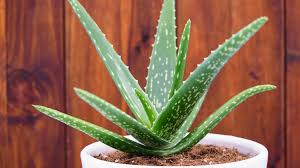
Medicinal properties of aloe vera and how you can use them to treat illnesses and infection.

Aloe vera is a true powerhouse of a plant! It’s been used for centuries for its healing properties, and modern science is finally catching up to its amazing benefits.

Here’s a breakdown of some of its key herbal properties:

* **Anti-inflammatory:** Aloe vera gel contains compounds that can help soothe inflammation and redness. This makes it great for things like burns, cuts, and even acne.
* **Antibacterial and Antifungal:** Aloe vera has natural antimicrobial properties that can help fight off bacteria and fungi. This makes it effective in treating skin infections and promoting wound healing.
* **Moisturizing:** Aloe vera is a natural humectant, meaning it attracts and retains moisture. This makes it an excellent moisturizer for dry skin and can even help with conditions like eczema.
* **Antioxidant:** Aloe vera contains antioxidants that help protect your skin from damage caused by free radicals. This can help slow down the aging process and protect your skin from sun damage.

**Important Note:** While aloe vera is generally safe for topical use, it’s always best to consult with a healthcare professional before using it internally or for treating serious medical conditions. To see how you can use aloe vera to treat some certain ailments in the body, click on the video below..

Medicinal properties of aloe vera.

The beauty of the aloe vera plant is that it is useful for so many ailments. It is one of the most potent antibiotics in the world. Apart from the uses mentioned above, aloe vera can also be used to cure such illnesses as liver and kidney problems, piles, eczema, dandruff, ringworm, glaucoma etc.

9 benefits if bitter leaf and their uses.. most people don’t know.

Bitter leaf, scientifically known as Vernonia amygdalina, is a plant commonly used in traditional medicine and as a culinary ingredient in various cultures, particularly in Africa. Here are some benefits of bitter leaf:

  1. Nutritional Value: Bitter leaf is rich in vitamins (such as vitamins A, C, and E), minerals (like calcium and iron), and antioxidants, making it a nutritious addition to the diet.
  2. Digestive Health: It is known to enhance digestion and may help in the treatment of digestive issues such as constipation and stomach ulcers.
  3. Anti-inflammatory Properties: Bitter leaf contains compounds that may help reduce inflammation, which can be beneficial for conditions like arthritis.
  4. Blood Sugar Regulation: Some studies suggest that bitter leaf may help lower blood sugar levels, making it potentially beneficial for individuals with diabetes.
  5. Antimicrobial Effects: The plant has shown antimicrobial properties, which can help in fighting infections and boosting the immune system.
  6. Liver Health: Bitter leaf is traditionally used to promote liver health and may assist in detoxification processes.
  7. Weight Management: Its bitter compounds may aid in weight loss by improving metabolism and reducing appetite.
  8. Skin Health: Bitter leaf extracts are sometimes applied topically for skin conditions, including rashes and infections.
  9. Fertility Booster: In some cultures, bitter leaf is believed to enhance fertility in both men and women.
  10. Traditional Medicine: It is used in various traditional remedies for ailments like malaria, fever, and respiratory issues.

While bitter leaf has many health benefits, it’s important to consume it in moderation and consult with a healthcare provider before using it for medicinal purposes, especially for those with underlying health conditions or who are pregnant.